Writing Website Content That Gets Picked Up by AI
By Kate Tallent | April 14, 2026
AI citations are reshaping the entire web by changing what it means for content to be “visible.”
Instead of only ranking pages based on keywords and backlinks, modern AI systems extract specific passages from websites to generate direct answers for users. This means content is no longer evaluated only as full pages—it is being broken down into smaller, reusable pieces of meaning. A single clear sentence or well-structured section can now be lifted and cited in an AI-generated response, sometimes replacing the need for a user to ever click through to the original site.
This shift is forcing a fundamental redesign of how content is created and organized. Websites are increasingly being built for extractability: clear definitions, question-based headings, and structured information that can stand alone as a “citation unit.” As a result, authority is becoming more granular and semantic—less about overall page ranking and more about whether specific ideas are clearly expressed, unambiguous, and trustworthy enough for AI systems to reference. In this new environment, the most successful content isn’t just optimized for search engines or human readers, but for interpretation by machines that are actively rewriting how information is discovered and consumed across the web. Let us use a cupcake store being opened up in Washington, D.C. in summer 2026 as an example.
So you’re opening a cupcake bakery in Washington, DC—amazing. You’re not just building a business, you’re building a local destination. As you prepare for your June 2026 launch, your website will do a lot more than “look nice.” It will help people find you, understand you, and decide whether to visit. And increasingly, it will also be read by AI systems that summarize and recommend businesses directly to users across search engines, maps, and conversational tools.
This is where AI citations become important. Instead of only ranking full web pages, these systems extract specific sentences and sections from your website to use as direct answers. That means your content needs to be written in clear, self-contained “information blocks”—simple, specific statements that can stand on their own when lifted out of context. For a cupcake bakery, that could be a sentence clearly stating your location in Washington, DC, your signature offerings, or what makes your cupcakes unique. The clearer and more structured your content is, the more likely it is to be cited by AI systems—and the easier it becomes for customers to discover you, even without visiting your website directly.
That means your content has two audiences now:
- Real people deciding where to buy cupcakes
- AI tools generating answers about “best cupcakes near me”
The way you write your website can influence both.
First: What Your Website Actually Needs to Do
Your website has one core job: turn curiosity into a visit or order.
For a cupcake bakery, that means helping people:
- Find your location in DC
- Understand what makes your cupcakes special
- See what you offer
- Feel confident choosing you
- Take action (visit, order, or call)
Everything else is secondary.
Step 1: Be Extremely Clear About What You Are and Where You Are
This is the most important rule for both humans and AI systems.
Right at the top of your homepage, say something like: “A small-batch cupcake bakery in Washington, DC, baking fresh cupcakes daily with seasonal flavors and custom orders for events.”
Why this matters for AI citations: AI tools don’t “guess” what you do—they extract clear statements. If your business isn’t explicitly defined, it may not be included in AI-generated answers like:
“Where can I get cupcakes in Washington, DC?”
Clarity = Visibility.
Step 2: Build Content That AI Can Quote (This Is New)
AI systems don’t just rank websites anymore—they pull specific sentences to use in answers. These are called citations or extracted passages.
That means your content should include:
1. Clear definitions
Example:
“We are a Washington, DC bakery specializing in small-batch cupcakes made fresh daily.”
This is highly “citable” because it is:
- Complete
- Specific
- Self-contained
2. Direct answers to questions
Instead of burying information, answer it clearly:
Question: Do you offer vegan cupcakes?
“Yes, we offer a rotating selection of vegan cupcakes made without dairy or eggs.”
AI systems love this format because it is:
- Structured like a Q&A
- Easy to extract
- Unambiguous
3. Standalone sentences (this is key)
A strong AI-citable sentence works even out of context.
Strong: “Our bakery is located in the Shaw neighborhood of Washington, DC, and is open seven days a week.”
Weak: “We’re proud to serve the community here.”
The first one can be quoted. The second cannot.
Step 3: Think in “Answer Blocks,” Not Just Pages
Instead of writing long paragraphs, structure your website like this:
Homepage
- What you are
- Where you are
- What makes you special
- How to order or visit
Menu Page
- Flavor names
- Short descriptions
- Dietary labels (vegan, gluten-free, nut-free)
FAQ Page (VERY important for AI citations)
Include real questions like:
- “Do you make custom cupcakes for weddings in DC?”
- “How far in advance should I place an order?”
- “Do you offer delivery in Washington, DC?”
Each answer becomes a potential AI citation.
Step 4: Use Language That AI Can Understand Easily
AI systems rely on semantic clarity—meaning your writing should be:
- Specific (not vague)
- Consistent (same terms used throughout)
- Literal (say what you mean)
- Structured (clear headings and sections)
Example
Vague: “We create delightful baked goods for all occasions.”
AI-friendly: “We bake cupcakes for birthdays, weddings, corporate events, and everyday treats in Washington, DC.”
The second version:
- Names use cases
- Includes location
- Is easy to extract
Step 5: Build “Citable Facts” Into Your Website
Think of your website as a collection of facts AI can trust and reuse:
Include statements like:
- Location (neighborhood + city)
- Hours of operation
- Signature products
- Ordering process
- Special offerings
Example:
“We specialize in custom cupcake orders for events in Washington, DC, with at least 48 hours’
notice required.”
This is exactly the kind of detail AI systems look for when generating recommendations.
Step 6: Structure Is Just as Important as Writing
To increase AI citations, your content should be easy to scan:
Use:
- Clear headings like “Cupcake Flavors” or “Custom Orders”
- Short paragraphs (1–3 sentences)
- Bullet points for lists
- FAQ formatting
Why?
AI systems often extract sections, not entire pages. A well-structured page increases your chances of being cited accurately.
Step 7: Don’t Hide Your Most Important Information
Many small businesses make this mistake: They bury key details like location, hours, or ordering instructions.
Instead:
- Put location near the top
- Repeat it in the footer
- Mention it in multiple pages naturally
Example:
“Located in Washington, DC’s Shaw neighborhood…”
Repetition helps both users and AI systems confirm your identity.
Step 8: Make Your Menu AI-Friendly (Yes, Really)
Instead of just listing items like:
- Chocolate
- Vanilla
- Red velvet
Add:
- Short descriptions
- Key ingredients
- Dietary tags
Example:
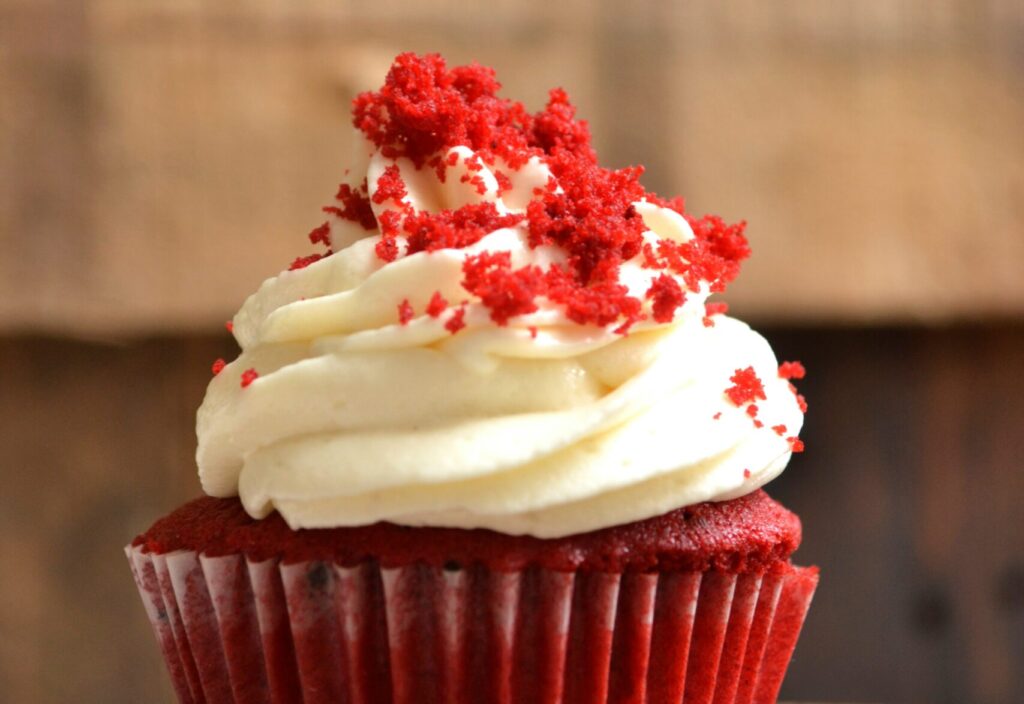
“Red Velvet Cupcake – Classic cocoa-based cupcake with cream cheese frosting, available in vegan option.”
This makes your menu:
- Easier to understand
- More likely to be quoted
- More useful in search and AI answers
Step 9: Why AI Citations Matter for a Bakery
You might be wondering: why does this matter for cupcakes? Because people are already asking things like:
- “Best cupcakes in Washington, DC”
- “Cupcake delivery near me”
- “Custom birthday cupcakes DC”
AI tools often respond by:
- Summarizing options
- Citing businesses with clear, structured content
- Recommending places they can confidently describe
- If your website is clear, structured, and specific, you increase your chances of being included.
Final Thought: Your Website Is Now Part Menu, Part Answer Engine
In 2026, your website isn’t just marketing—it’s infrastructure for how people and AI understand your business. The winning formula is simple:
- Say exactly what you do
- Say exactly where you are
- Answer real questions clearly
- Structure your content so it can be quoted
If you do that, your cupcake bakery won’t just be searchable—it will be discoverable in the new AI layer of the internet. Now go eat a cupcake!
About the Author:
Kate Tallent is the Chief Marketer and Creative Director of KTD Creative, where she helps organizations develop brand strategy, storytelling, and marketing systems that build meaningful audience relationships. With more than 25 years of experience in communications and design, she works with nonprofits, arts organizations, and mission-driven businesses to strengthen visibility, engagement, and impact.